Aircrew Parachute Harness/Pack – Vulcan & Victor Crew Seats: Historic Aircrew Escape Assembly
Aircrew Parachute Harness/Pack – Vulcan & Victor Crew Seats: Historic Aircrew Escape Assembly
Blog Article
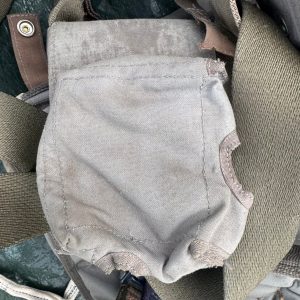
The Aircrew Parachute Harness/Pack – Vulcan & Victor Crew Seats offers collectors, restoration specialists, museums, aviation historians, and qualified equipment professionals a distinctive example of military flight safety equipment.
An Aviation Parachute Harness and Pilot Parachute Harness should be identified through labels, part numbers, manufacturing records, and configuration-specific information.
The Aircraft Emergency Parachute Harness and related Aircrew Safety Harness, Flight Crew Parachute Harness, Emergency Parachute Harness, and Military Aircrew Harness keywords help connect the product with aviation collectors and specialists.
An Aviation Emergency Escape Harness may include webbing, fittings, attachment points, adjustment hardware, container-related components, and seat-interface features depending on the exact design.
An Aviation Safety Harness can appear visually complete while containing age-related webbing, corrosion, damaged stitching, altered fittings, or missing components.
Overview of the Military Aircrew Parachute Assembly
The exact configuration should be established before the item is advertised as compatible with a specific Vulcan or Victor crew position.
Complete package information helps buyers estimate restoration needs and historical value.
Understanding Aviation Harness Materials
Webbing can deteriorate through age, ultraviolet exposure, chemicals, moisture, abrasion, mildew, heat, repeated loading, and unsuitable storage.
Qualified evaluation is essential before any safety-related classification is assigned to the Aviation Parachute Harness.
Pilot Harness Strap Configuration
A Pilot Parachute Harness should correspond with the wearer, clothing, seat arrangement, parachute pack, attachment system, and intended operating configuration.
Professional conservation can protect both the Pilot Parachute Harness and its historical significance.
Aircraft Emergency Parachute Harness Function
Historic equipment may contain obsolete, time-expired, modified, incomplete, or unverified components.
Paint, plating loss, scratches, or movement marks may provide information about previous use and storage.
Aircrew Safety Harness Applications
Accurate identification supports museum displays, restorations, archival records, and specialist collections.
Proper storage protects the Aircrew Safety Harness and reduces further deterioration.
Flight Crew Parachute Harness Condition
Age-related degradation can exist within fibers, stitching, hardware, or hidden areas.
Any known aircraft history, crew-seat association, unit provenance, or acquisition records should be presented carefully and supported when possible.
Emergency Harness Storage Review
Every strap should be followed from end to end while checking webbing, stitching, folds, attachment areas, fittings, and labels.
Leather or rubber components may harden, shrink, crack, or become brittle during storage.
Vulcan and Victor Aircrew Equipment
A Military Aircrew Harness associated with Vulcan and Victor crew seating can hold significant interest for collectors of British military aviation, historic aircraft equipment, and Cold War-era artifacts.
Museums and display builders may use the harness/pack to complete a crew-seat installation, cockpit exhibit, training display, or aviation-history presentation.
Evaluating Emergency Escape Gear
A complete-looking harness/pack should not be represented as a complete escape system without supporting information.
Reference photographs and manuals may help reconstruct the intended arrangement.
Military Parachute Pack Components
A Parachute Harness Assembly may include load-bearing webbing, leg and shoulder straps, fittings, adjustment hardware, pack or container sections, attachment components, and identification labels.
A detailed inventory can increase the commercial value of an incomplete Parachute Harness Assembly.
Historic Aircraft Safety Components
One serviceable-looking component does not establish the condition of the complete crew-safety system.
Aggressive washing, chemical treatment, polishing, repainting, or hardware replacement can reduce originality and damage materials.
Historic Aircrew Emergency Equipment
Aircrew Emergency Equipment reflects the operational requirements, aircraft technology, crew roles, and safety practices of its service period.
Accurate classification improves the credibility of Aircrew Emergency Equipment sales.
Evaluating Historic Parachute Systems
Any operational consideration requires current evaluation by appropriately qualified parachute personnel.
Noninvasive inspection may be preferable for preservation-focused buyers.
Choosing an Aviation Safety Harness
An Aviation Safety Harness can become a strong centerpiece within a military aviation collection, crew-seat display, cockpit reconstruction, or museum exhibit.
The harness should not be worn by Aviation Parachute Harness visitors when age, strength, or contamination is unknown.
Buying Historic Aircrew Equipment
A Flight Parachute Harness should be purchased according to intended use, identity, condition, completeness, provenance, size, configuration, and available documentation.
Original storage bags, manuals, inspection cards, or photographs can increase collector interest.
Military Parachute Component Matching
Components should not be combined merely because they connect physically.
The seat itself should be reviewed for attachment points, routing, hardware, clearances, and equipment relationships before a harness/pack is installed for display.
Aircrew Harness Pre-Purchase Checklist
A detailed review reduces uncertainty and supports realistic valuation.
- Request photographs of the front, rear, sides, webbing, stitching, buckles, attachment points, pack, labels, and included loose parts.
- Arrange specialist evaluation whenever condition, authenticity, completeness, or intended use remains uncertain.
- Report shipping damage, missing parts, undocumented repairs, label differences, or undisclosed contamination promptly.
Long-Term Harness and Pack Care
Straps should follow broad natural curves rather than sharp folds that concentrate stress.
Any suspected mold or chemical contamination should be isolated and assessed carefully.
Reversible Aircrew Harness Mounting
Padded ties, archival supports, or reversible brackets may help maintain the display while avoiding permanent alteration.
The equipment should remain accessible for periodic inspection without requiring extensive dismantling.
Long-Term Aircrew Harness Care
Routine care may include careful dust removal, hardware observation, strap support, condition photography, and environmental monitoring.
Repairs intended for display should remain reversible and clearly documented.
Choosing the Aircrew Parachute Harness/Pack – Vulcan & Victor Crew Seats
The Aircrew Parachute Harness/Pack – Vulcan & Victor Crew Seats can provide significant restoration, display, research, educational, and collector value when its identity, condition, completeness, and aircraft association are verified.
Buyers should request detailed photographs, accurate condition descriptions, complete package inventories, secure transaction terms, protective shipping, and specialist review where appropriate.
Whether buyers seek a Flight Crew Parachute Harness, Emergency Parachute Harness, Military Aircrew Harness, or Aviation Emergency Escape Harness, exact system identity remains essential.
With complete evaluation and continued preservation, the Aircrew Parachute Harness/Pack – Vulcan & Victor Crew Seats can deliver a professional combination of historical significance, restoration potential, collectible appeal, and military aviation heritage.
Report this page